Dumbledoor: A Magical Display Font for Crafters & Makers
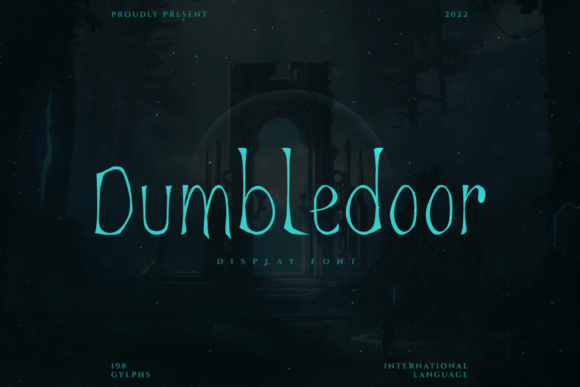
Every crafter, printable designer, and handmade shop owner knows the feeling of hunting for a font that instantly gives a project that finished, intentional look. Dumbledoor is exactly that kind of typeface. It’s a fun, magical display font with a personality that feels both whimsical and polished. The first time you type out a product name in Dumbledoor, the unique curves and individual character shapes transform ordinary words into something that looks like it belongs on a boutique shelf. For anyone who creates physical labels, stickers, invitations, wall art, or branded packaging, this font quickly becomes a go-to design asset.
The Visual Charm That Sets Dumbledoor Apart
What makes Dumbledoor so special isn’t just that it’s a decorative display font — it’s the care poured into every single letter. Unlike many themed typefaces where a few characters dominate the style and the rest feel like an afterthought, Dumbledoor delivers a consistent, handcrafted feel across the entire alphabet. The result is a typeface that reads like bespoke lettering rather than a generic font choice. This matters enormously when you create products for customers who notice thoughtful details. A label typed in Dumbledoor doesn’t just announce a product name; it promises a carefully made item inside. The font’s expressive shapes can make even a simple thank-you tag feel like a keepsake.
For small shop owners, this kind of visual personality directly impacts brand identity. When you use the same premium font across candle labels, thank-you cards, and social media previews, your audience begins to associate that whimsical, magical quality with your shop’s name alone. Dumbledoor’s playful touch works beautifully for product categories that thrive on charm — handmade soaps, children’s party invitations, seasonal decor, and personalized gifts. The font feels joyful without being childish, which means it appeals to adult buyers looking for something distinctive and warm.
Turning Everyday Products Into Something Memorable
Where Dumbledoor really shines is in real-world craft applications. Because the font is constructed as a display typeface, it’s optimized for short phrases, titles, and decorative wording — exactly the kind of text that appears on handmade goods. Think about the areas where your designs need to grab attention fast. A birthday invitation header, a label on a soy candle, a welcome sign for a wedding, or a seasonal sticker for a holiday gift box. Dumbledoor handles all of these with ease. Its readability remains strong at typical product sizes, so a customer browsing your Etsy listing or picking up a sticker in a store can immediately recognize the words without squinting.
For printable wall art, Dumbledoor lets you create pieces that people genuinely want to frame. A single uplifting quote typeset in this font turns an 8x10 print into something that feels like a curated boutique find. The same applies to planner pages and digital downloads — your buyers aren’t just getting a functional tracker or checklist; they’re getting a design element that makes their desk setup more beautiful. When your customers use your printables with Dumbledoor on their fridge, in their home office, or on a gallery wall, they’ll remember where they got that lovely piece.
Making Every Small Surface Count
Crafters who work with cutting machines like Cricut and Silhouette know that some fonts look stunning on screen but become a nightmare to weed and transfer. Dumbledoor strikes a smart balance. The letterforms are expressive but not overly intricate in a way that disintegrates at small sizes. For stickers, treat tags, and product labels down to about an inch wide, the font remains clean and legible. When sizing down further for tiny hang tags or mini envelopes, you can boost the tracking slightly to keep the letters from feeling crowded, but the foundational shapes stay strong. If you plan to use Dumbledoor for iron-on vinyl on a T-shirt or tote bag, the bold display nature means it presses beautifully and holds up to washing without losing that boutique look.
Product packaging is another area where Dumbledoor can transform a simple box into a branded experience. Picture a kraft paper sleeve around a bar of handmade soap, with the scent name lettered in Dumbledoor against a clean sans serif font that lists the ingredients. The contrast between the magical display font and something simpler makes the product info easy to scan while the decorative type grabs emotional attention. This kind of pairing creates packaging that people photograph for unboxing posts — free marketing you never had to request.
Practical Advice for Font Pairing and Design Consistency
No typeface exists in a vacuum, and the smartest font pairing choices are what take a project from nice to unmissable. Dumbledoor’s whimsical personality means it partners brilliantly with quiet, understated typefaces. Try setting the product name or main headline in Dumbledoor, then use a clean sans serif font for the supporting details. Something like a geometric sans serif — think Montserrat or Lato — lets the decorative lettering breathe while keeping your product description, care instructions, or event date fully legible. If your brand aesthetic leans more rustic or traditional, pair Dumbledoor with a simple serif font; the combination feels like a modern farmhouse sign where the charm is loud and the information is timeless. For wedding stationery, you might set the couple’s names in Dumbledoor and use a delicate script font for a secondary line, then let a classic serif handle the time and venue.
When you work across multiple product types — say, wall art, mugs, and digital download templates — this pairing discipline keeps your collection cohesive. Customers who fall in love with your Dumbledoor-based candle label will instantly recognize your brand when they see the same headlining font on a matching gift tag or a coordinating printable thank-you card. That recognition builds trust and repeat sales faster than constantly switching between unrelated typeface styles.
Everyday Maker Projects Where Dumbledoor Adds Instant Value
The best way to understand a font’s potential is to see it in the kind of projects you actually make. Here are some real-world ideas that highlight Dumbledoor’s versatility across craft and product categories.
- Boutique candle labels — Use Dumbledoor for the fragrance name, then a small sans serif for the net weight and burn time. The label instantly feels like something from a high-end home goods shop.
- Birthday party invitations — Typeset the birthday child’s name and age in Dumbledoor as the focal point, with party details in a neat complementary font. Parents will screenshot the invite before they even reply, because the name styling is so cute.
- Farmhouse-inspired signs — A short phrase like “Gather Here” or “Home Sweet Home” looks beautifully authentic when cut from wood or printed on canvas using Dumbledoor, especially with a serif font for any secondary text.
- Wedding welcome boards — Large acrylic or mirror signs become elegant focal points when the couple’s names and a short welcome phrase are set in Dumbledoor. Its unique letterforms photograph beautifully, which is exactly what couples want.
- Printable quotes for wall art — Single-line affirmations or short excerpts feel intentional and uplifting. Paired with simple floral illustrations or geometric borders, Dumbledoor makes digital downloads look significantly more valuable.
- Seasonal product packaging — Holiday gift sets, Mother’s Day boxes, or Valentine’s treat bags with a sentiment in Dumbledoor create an immediate emotional connection. The font’s warmth matches the occasion.
- Clothing and tote bag designs — Heat-transfer vinyl with a playful word or phrase in Dumbledoor turns a plain tote or sweatshirt into a piece that feels like small-batch merchandise.
Pairing Dumbledoor With Other Scripts and Serifs
Beyond the basic serif and sans serif pairings, Dumbledoor also works well when layered with a sophisticated script font or a modern handwritten typeface. The trick is to let Dumbledoor handle the big, bold statement while any secondary font provides contrast without competing. For example, a wedding table number card might feature the table number in Dumbledoor and the guests’ names in a graceful script. Or a mug design could use Dumbledoor for a central nickname and a lightweight handwritten font for a small date or location line underneath. These layered typography choices make your products look like they were designed by a professional studio, even when you’re working from a home craft room.
When selecting complementary fonts, always check for similar x-heights or letter proportions so the overall layout feels cohesive rather than mismatched. Test a few phrases in your design software before finalizing — sometimes a serif that looks perfect on text alone can clash with Dumbledoor’s unique character shapes if the spacing isn’t right. Trust your eye and always prioritize readability in the final product size.
Exploring Alternates, Ligatures, and Special Characters
Many modern display fonts include OpenType features like stylistic alternates, ligatures, and swashes that can take a project to the next level. Dumbledoor, with its promise of a unique and beautiful touch in every letter, is likely rich with these little extras. If the font offers alternate characters, you can swap in a slightly different “a” or “g” to make a product name feel even more custom and tailored. Ligatures smooth out awkward letter combinations that sometimes appear in decorative fonts, giving your product text a polished, professional finish. Swashes on beginning or ending letters can add a graceful curve to a single-word tag or a short headline.
Dig into the font file and check what’s available. Design software like Adobe Illustrator, Inkscape, or even the advanced text tools in Silhouette Studio and Cricut Design Space will let you access these features. The ability to customize letterforms means no two products ever need to look identical, even if you use Dumbledoor across your entire line. For international sellers or those with multilingual customer bases, glance at the character set to confirm it supports the accents and special characters you need — a detail that can save you from awkward workarounds later.
Readability Tips for Physical Products and Mockups
When you’re selling online, your product photos are doing the heavy lifting. A font that looks gorgeous in your design file must also read clearly in a thumbnail image or a styled mockup. Dumbledoor’s robust letter shapes hold their own on screens, but a quick test before listing can prevent disappointment. Take a mockup shot of your product at the size it will appear in your shop’s listing grid, and make sure the word or phrase is still recognizable. For small stickers or narrow labels, consider increasing the font size slightly and reducing the surrounding whitespace rather than shrinking the text too far.
Print tests are equally important. Print a sample label or card on the actual paper or sticker stock you’ll use, and check for any ink bleeding or loss of fine detail. Dumbledoor’s character shapes are intentionally beautiful, but if you’re printing on heavily textured paper, you might need to adjust the weight or size slightly. These small checks keep your review photos accurate and your buyer expectations met.
Commercial Licensing and Selling With Confidence
One of the biggest stress points for crafters and handmade sellers is knowing whether a font is safe to use on products for sale. Dumbledoor, as a premium display font, typically comes with terms that allow commercial use on physical goods, packaging, and printed items. Many font designers also include allowances for digital downloads, printable templates, and even SVG-style design files, but you need to read the specific End User License Agreement that comes with your purchase. If you plan to sell design elements where the letters are embedded — like editable canva templates or font-inclusive clip art — confirm that the license permits it. For standard physical products such as mugs, shirts, stickers, signs, and labels, most commercial craft-friendly fonts give you the green light. Protecting your business means keeping a record of your license and respecting any brand-size restrictions. Once you know you’re covered, you can create with complete peace of mind and build a product line that feels cohesive, elevated, and unmistakably yours.